The dark web is often associated with mystery and illicit activities, but it also serves as a platform for privacy advocates and those seeking anonymity online. Accessing this hidden part of the internet requires specific tools and precautions. This Dark Web Login Guide will provide essential information on how to safely navigate and access dark web sites.
A large portion of activities on the dark web involve illegal content, transactions, or services. Accessing the Dark Web, a part of the web that isn’t indexed by standard search engines, is not illegal in most countries. When you must visit the dark web, you should exercise extreme caution and avoid accessing illegal marketplaces or engaging with disturbing or extreme content.
Dark Web Login Guide
Credentials and network access are packaged and sold to other criminals through underground markets and forums. Many users rely on Tor for privacy, safety, or access, not crime. So if you’re asking whether the dark web is real or illegal, it helps to separate the technology from how people use it.
Understanding the Dark Web
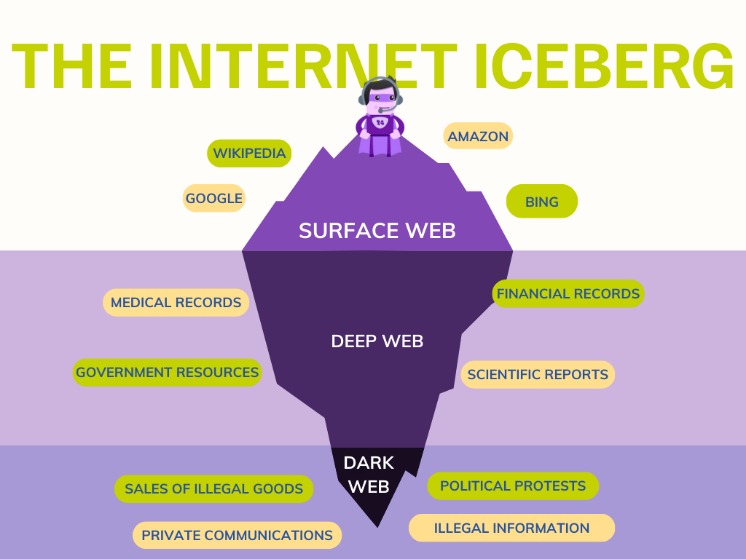
The dark web is a segment of the internet that isn't indexed by traditional search engines. To access it, users typically utilize special software such as Tor (The Onion Router). This software helps maintain user anonymity, making it difficult for anyone to trace online activities back to users. Before diving into the login procedures, it’s crucial to understand the environment you're entering.
Setting Up Your Environment
To safely access the dark web, follow these initial steps:
Databases, academic archives, and federal documents comprise the deep web – it’s a realm of mostly inaccessible data that keeps the surface web up and running. Moreover, it’s dangerous in the sense that the anonymity that covers good guys also covers the bad actors, so you can’t catch any attacker if you fall victim. But other activities taking place on the dark web – such as selling drugs, child exploitation material, weapons trafficking, stolen data markets, etc. – are criminal acts and clearly illegal. Understanding this “postal-route” routing mechanism and what they can and cannot do helps situate the idea of trading privacy for security in navigating the hidden internet.
- Download the Tor Browser: Visit the official Tor Project website to download the Tor Browser.
- Install the Tor Browser: Follow the installation prompts, which will typically include setting the browser to connect to the Tor network.
- Use a VPN: For added security, consider using a Virtual Private Network (VPN) before opening the Tor Browser. This adds an extra layer of anonymity.
Accessing Dark Web Sites
Once you have the necessary tools, you can start exploring the dark web. Here’s how to log in to various dark web websites:
Finding .onion Sites

Most dark web sites use the .onion domain. To find these sites:
- Use Dark Web Directories: Websites such as The Hidden Wiki provide lists of various .onion sites.
- Forums and Communities: Engage in specialized forums that discuss dark web topics and share trusted links.
Creating Accounts on Dark Web Marketplaces
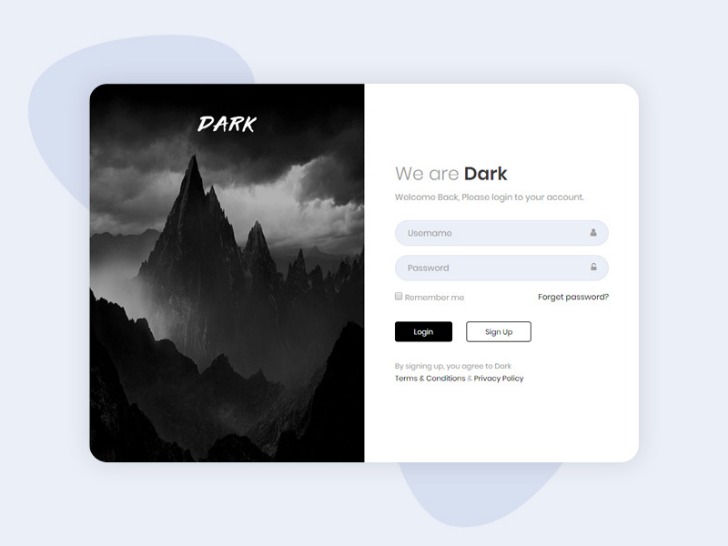
Once you find a dark web site, you may need to create an account. Here’s a concise login guide:
- To access the Freenet-based dark web, you need to install the Freenet application.
- While difficult, tracking is possible if security measures are misconfigured or if users reveal personal information.
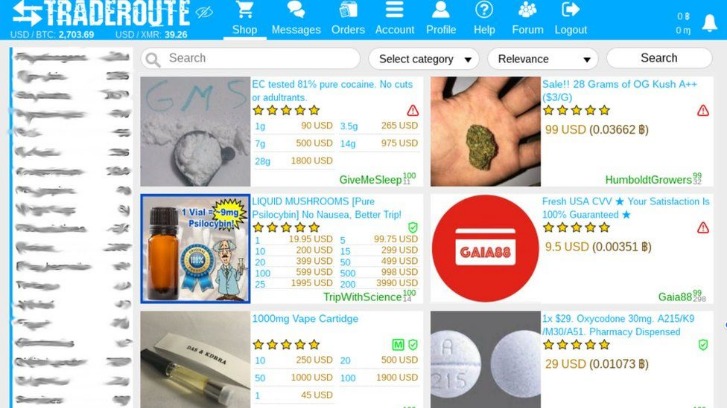
- Dark web marketplaces offer mostly illegal products and services in exchange for payment.
- Examples include people trying to avoid tracking, protect sensitive research, or communicate safely in high-surveillance environments.
- By taking these steps, you may decrease the dangers of online threats and experience safer browsing throughout all corners of the web.
- In that climate, the dark web’s anonymity tools serve as a digital lifeline for journalists, whistleblowers and ordinary citizens who need uncensored information.
- Register: Fill out registration forms using anonymous information—avoid sharing personal details.
- Create Strong Passwords: Utilize complex passwords for your accounts to deter unauthorized access.
- Enable 2FA: If available, enable two-factor authentication to secure your account further.
Staying Safe While Logged In
- Even if the Tor node fails, your data won’t be exposed because the VPN’s encryption still holds up.
- You might visit the dark web seeking anonymity or unique services, but this anonymity also attracts scammers.
- It’s an interesting resource that translates Tor internet traffic levels into easy-to-digest stats.
- The onion site is especially beneficial for people in regions with heavy censorship or restricted access to media.
Maintaining safety is critical while navigating the dark web. Consider these precautions:
- Do not download files: Be wary of any downloads; these can often carry malware.
- Practice anonymity: Never reveal personal information while on dark web platforms.
- Be cautious with your transactions: Use cryptocurrencies for transactions to maintain anonymity.
Conclusion
Accessing the dark web can be a double-edged sword; it offers both anonymity and potentially harmful experiences. By following this Dark Web Login Guide, users can aim for a safer exploration of this hidden part of the internet while staying mindful of the risks involved. Always prioritize your safety and anonymity as you delve into the unknown.