Riseup is a collaborative organization created by people doing activism to provide secure, encrypted means of communication via the internet and assist in bringing change within society. Due to its highly accessible nature, Dread poses numerous threats to both users accessing this type of content and those looking for the information contained within it. It is an essential tool for activists, journalists, and anyone handling sensitive communications, making it one of the top dark web sites for digital security. When utilizing this service, both the origin of the communication and the actual content of the message are securely protected & encrypted through their combined use of TOR and ProtonMail’s end-to-end encryption. Protonmail offers one of the highest levels of security and privacy for email services, utilizing End-to-End Encryption (E2EE), and operates under Swiss Privacy law. Its .onion site is the quintessential example of use of the Tor Network by an authentic organization and how to properly leverage the Dark Web for access to important stories and information.
The dark web is a hidden part of the internet, often accessed using special software like Tor. This underground network is known for its anonymity, which attracts a variety of users, including activists, criminals, and those seeking privacy. Within this shadowy realm, countless dark web sites exist, each offering different services, information, and products that are typically unavailable on the surface web.
Streaming service violations (download, etc.) or violations related to certain types of political speeches could be subject to very different interpretations based on where you live. Depending on where you’re located, the legality related to specific types of content may vary greatly. Tails OS isn’t really a network; however, it is a Linux OS and runs “live” from an external USB device. Freenet provides an environment for publishing protected, anonymous content and operates as a peer-to-peer, censorship-resistant platform. When you go to the regular site, Tor Browser will show a purple pill in the address bar that says .onion available. Rely on frequently updated link lists like OnionWiki, OnionLinks, and other vetted directories.
- The onion routing system of Tor means it does not allow for a person’s specific physical address or any location, and therefore, an individual cannot easily determine the way you arrived on the dark web.
- Dark web search engines exist, but even the best are challenged to keep up with the constantly shifting landscape.
- The keyword in that example is “onioname,” which is right at the start of the .onion link.
- This was created primarily for users in countries where the social network is blocked due to government censorship, or for those who simply wish to bypass regional restrictions while accessing the social network.
- As a user, it’s important to make mindful, informed choices—seek out platforms that support legitimate free speech and human rights, and steer clear of those dedicated to wrongdoing or spreading dangerous content.
Dark Web Site
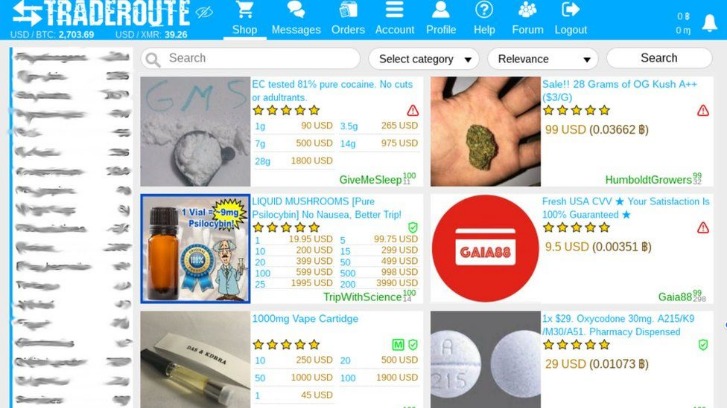
Some of the most infamous dark web sites are marketplaces where illegal goods and services can be traded. These sites typically require users to navigate with caution, as many are scams or traps set up by law enforcement. To maintain anonymity, users often rely on cryptocurrency for transactions, further complicating the landscape of online commerce.
Types of Dark Web Sites
One of the categories of dark web sites includes forums that facilitate discussions around various topics, from technology to politics. These forums often provide a space for whistleblowers and dissidents to share information without the fear of persecution. On the other hand, there are also dark web sites that focus on the illicit trade of drugs, weapons, and hacking tools.
- This means that there will be no data to track your activities.
- Visitors in countries with strict internet controls can access unbiased news reports and critical commentary that might be blocked or filtered on the clear web.
- As a result, you cannot find them with a regular search engine.
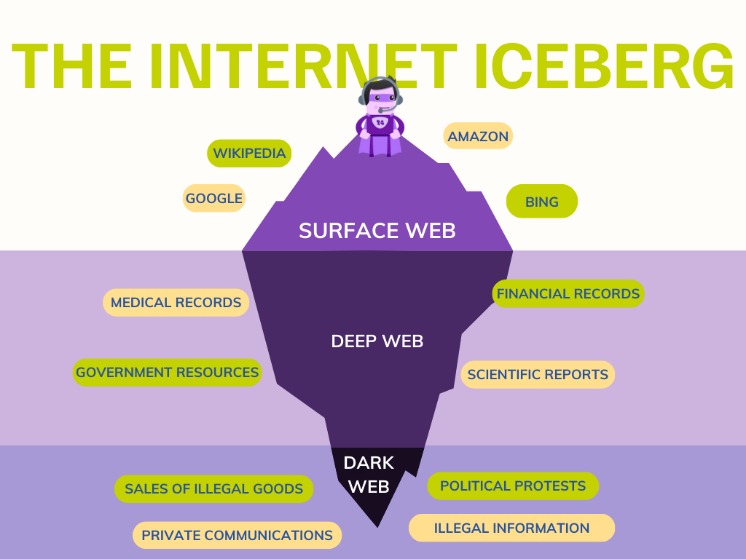
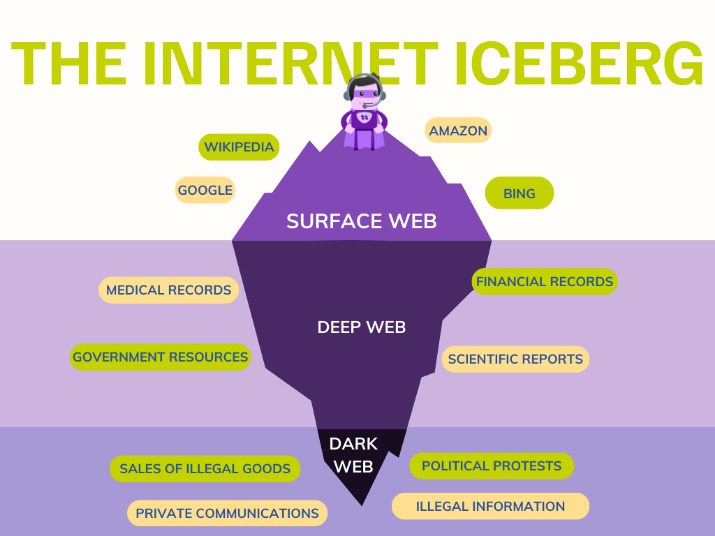
- In the image above, (a) is the surface web, which includes publicly visible websites like blogs, shopping sites, and news sites.
Challenges of Navigating the Dark Web
While navigating the dark web, users face numerous challenges. Security is a primary concern, as many dark web sites can expose visitors to malware or phishing attacks. It's essential to use a reliable VPN and to be aware of the risks associated with personal information exposure.
Legitimate Uses of Dark Web Sites
Despite its notorious reputation, not all dark web sites are harmful. Some are used for legitimate purposes, such as providing information and resources to individuals living under oppressive regimes. Journalists, activists, and those seeking a platform to voice dissent often turn to dark web sites to evade censorship and express their views freely.
Risks and Legal Implications
Engaging with dark web sites carries significant risks, including potential legal repercussions. While accessing the dark web is not illegal in most jurisdictions, participating in illegal activities can lead to severe consequences. Users must remain vigilant and aware of the ethical implications of their online activities within this hidden landscape.
The Future of Dark Web Sites
As technology evolves, so too does the dark web. New tools and methods will likely emerge, both for accessing these hidden sites and combating the criminal behaviors often associated with them. The constant cat-and-mouse game between law enforcement and users of dark web sites ensures that this underground world will continue to be a topic of debate and concern.
In conclusion, the dark web is a complex and multifaceted environment. While it includes some dangerous and illegal elements, it also serves as a vital tool for those seeking privacy and freedom of expression. Navigating this obscure side of the internet requires caution and awareness, but for many, it is a necessary venture into the depths of online anonymity.