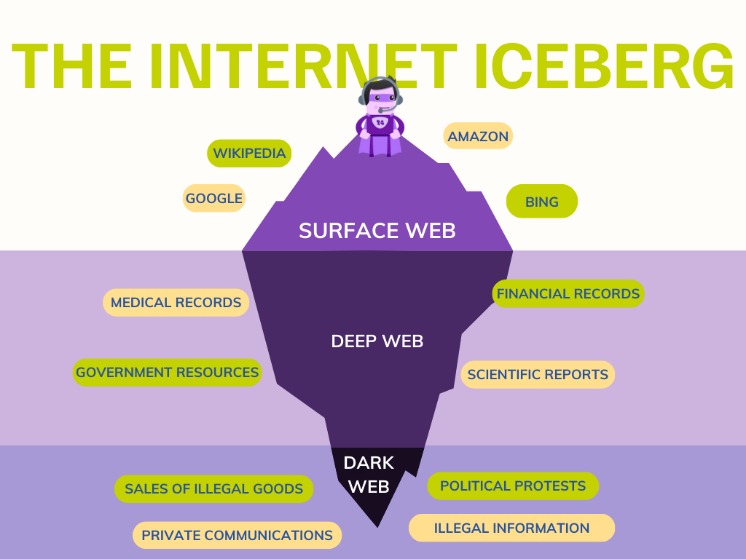
The dark web, a part of the internet that isn't indexed by traditional search engines, has garnered significant attention due to its reputation for anonymity and privacy. While it is often associated with illegal activities, the dark web also serves as a platform for free speech, particularly in oppressive regimes. This article will delve into the specifics of dark web login procedures, emphasizing the importance of security and anonymity while accessing these hidden networks.
Dark Web Login
To access the dark web, users typically require specialized software, with Tor (The Onion Router) being the most popular choice. This software enables dark web login by routing internet traffic through a series of servers, encrypting the data along the way. This process obscures the user's IP address, making it difficult to trace their online activities.
Creating a Secure Account
When considering a dark web login, it's crucial to create a secure account. Most platforms on the dark web require users to register, which usually involves providing an email address and creating a strong password. However, it is advisable to use a disposable email address to maintain anonymity. This approach minimizes risks associated with revealing personal information that could compromise one’s privacy.
It is a labor of love produced by an international community of people devoted to human rights. The need for tools safeguarding against mass surveillance became a mainstream concern thanks to the Snowden revelations in 2013.Not only was Tor instrumental to Snowden's whistleblowing, but content of the documents also upheld assurances that, at that time, Tor could not be cracked. It not only protected people's identity online but also allowed them to access critical resources, social media, and websites which were blocked. In the early 2000s, Roger Dingledine, a recent Massachusetts Institute of Technology (MIT) graduate, began working on an NRL onion routing project with Paul Syverson.To distinguish this original work at NRL from other onion routing efforts that were starting to pop up elsewhere, Roger called the project Tor, which stood for The Onion Routing.
- We're a nonprofit organization and rely on supporters like you to help us keep Tor robust and secure for millions of people worldwide.
- Just like Tor users, the developers, researchers, and founders who've made Tor possible are a diverse group of people.
- From its inception in the 1990s, onion routing was conceived to rely on a decentralized network.
- In 2007, the organization began developing bridges to the Tor network to address censorship, such as the need to get around government firewalls, in order for its users to access the open web.
Tor began gaining popularity among activists and tech-savvy users interested in privacy, but it was still difficult for less-technically savvy people to use, so starting in 2005, development of tools beyond just the Tor proxy began.Development of Tor Browser began in 2008. From its inception in the 1990s, onion routing was conceived to rely on a decentralized network. The goal of onion routing was to have a way to use the internet with as much privacy as possible, and the idea was to route traffic through multiple servers and encrypt it each step of the way.This is still a simple explanation for how Tor works today. In the 1990s, the lack of security on the internet and its ability to be used for tracking and surveillance was becoming clear, and in 1995, David Goldschlag, Mike Reed, and Paul Syverson at the U.S.
Using VPNs for Enhanced Security
Before attempting a dark web login, users should consider employing a Virtual Private Network (VPN). A VPN encrypts the internet connection and masks the user's IP address, offering an added layer of security. While Tor provides a degree of anonymity, a VPN can safeguard against potential vulnerabilities, ensuring that the user's identity remains protected.
Explore more Tor-related topics, including relays, onion services, metrics, and ways to contribute to the network. Tails is a portable operating system that protects against surveillance and censorship. Tor Project develops privacy-focused tools to help you stay anonymous and bypass censorship. Defend yourself against tracking and surveillance.
Best Practices for Dark Web Access
1. Stay Anonymous: Always use pseudonyms and avoid sharing personal information.
2. Reliable Sources: Only access known and reputable sites; many dark web marketplaces can be scams.
3. Regular Updates: Keep the Tor browser and your security software updated to mitigate risks.
Risks Associated with Dark Web Login
While there are legitimate uses for the dark web, the risks involved in dark web login cannot be overstated. Users may encounter malicious software, scams, and law enforcement monitoring. Engaging in illegal activities can lead to severe legal consequences. Thus, it’s essential to remain informed about potential threats and act cautiously.
Conclusion
The dark web offers a unique space for privacy and freedom, but it comes with its own set of challenges. Understanding the dark web login process and adhering to security best practices is vital for anyone wanting to navigate this hidden part of the internet safely. With the right precautions, users can explore the dark web while minimizing risks to their anonymity and personal safety.