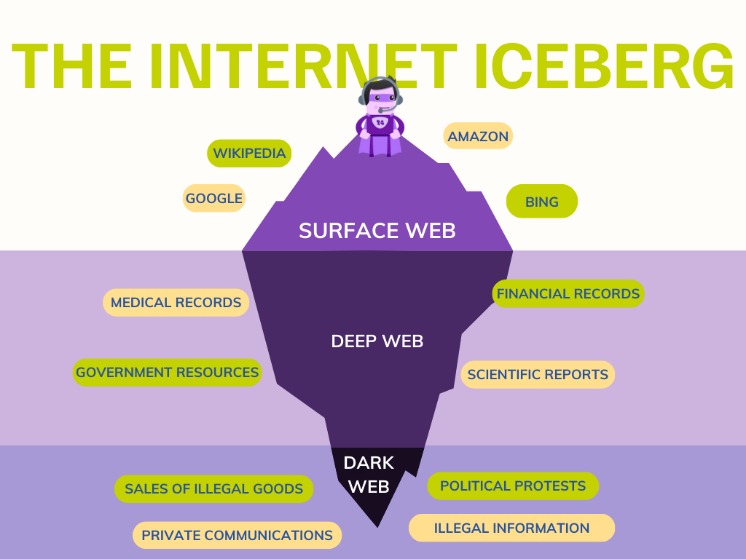
The dark web is a part of the internet that is not indexed by standard search engines and is only accessible through specific software, configurations, or authorization. It is known for its anonymity and has become a hotspot for both illicit activities and legitimate privacy-focused discussions. A dark web list typically includes various websites and forums that provide access to a range of services and commodities, some of which are legal, while others are decidedly illegal. Understanding what’s out there on the dark web can help users navigate it with greater awareness.
It makes up about 6% of the internet, and it’s where you find everything from illegal marketplaces to forums for whistleblowers. Don’t click on suspicious links, be skeptical of what you read, and avoid dark web marketplaces if you don’t want to stumble on illegal activity or content. But onion sites can also serve nobler goals, like providing access to information and independent journalism in countries with government censorship. Using Tor to access dark web links isn’t illegal, but your ISP will notice, and others may too. Despite Tor’s privacy-focused design, malicious entities are more likely to target your data in transit and on .onion sites. While people and organizations do host legitimate and useful sites on the dark web, it’s still best to tread cautiously.
Dark Web List
It is widely used by researchers, journalists, and law enforcement to analyze vendors, compare listings, and track trends across multiple markets. Recon is a specialized search tool focused exclusively on darknet marketplaces. Haystack stands out as a major player in the search engine space and serves as the “Library of Congress” of the dark web.
When discussing a dark web list, it is crucial to categorize these websites based on their functionalities. Below are some common categories found within the dark web:
1. Marketplaces
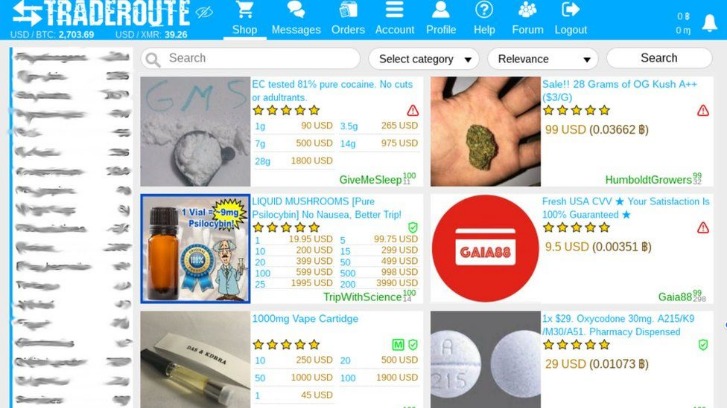
The most notorious feature of the dark web is its marketplaces, where users can buy and sell a variety of goods and services anonymously. A typical dark web list will often highlight sites like Silk Road, AlphaBay, and Dream Market, though many of these have been shut down over the years. New marketplaces continue to emerge, offering everything from digital goods to illegal substances.

2. Forums and Communities
In addition to marketplaces, the dark web hosts numerous forums where discussions take place. Communities like The Hub and Dread offer users the ability to engage in conversations about various topics ranging from cybersecurity to drug use. These forums often appear on a dark web list as safe spaces for individuals to share experiences and knowledge.
3. Whistleblower Platforms
Not all dark web activities are illicit. Several sites operate as platforms for whistleblowers, allowing individuals to expose wrongdoing in various institutions. Sites like SecureDrop and GlobaLeaks are often included in any credible dark web list, enabling the secure transfer of information from sources to journalists.
4. Privacy Tools
Several websites within the dark web provide tools for enhancing user privacy and security. These tools include VPN services, encrypted email providers, and other resources aimed at keeping users safe from both corporate and governmental surveillance. A comprehensive dark web list would include platforms such as ProtonMail and Tor hidden services.
5. Hacking Services
- Still, one shouldn’t forget that a popular forum like Tenebris is often a gathering point for cybercriminals, facilitating data breaches, illegal trade, and fraud.
- Not really; some, like OnionFind and Ahmia, will filter harmful or illegal content, while others will just serve you unfiltered results with possibly dangerous links.
- If you simply enter a .onion address in an everyday browser, the website won’t open.
- The Tor dark web or onionland uses the traffic anonymization technique of onion routing under the network's top-level domain suffix .onion.
- Another essential security feature is that all incoming and outgoing data from the app is encrypted, including any private and public keys involved.
A darker aspect of the dark web includes sites that offer hacking services, tools, and information. These can range from tutorials on how to conduct cyber attacks to services where users can hire hackers for various purposes. While ethical considerations come into play here, many of these sites remain accessible via a dark web list.
Navigating the Dark Web Safely
- Tricky, but effective; that’s why it’s, by far, the best method to access dark web content.
- The dark web exists inside layered proxy networks, known as darknets.
- Dark web search engines are specialized tools that allow users to search the dark and deep web.
- KEY TAKEAWAYS If you live in a country where you don’t have internet freedom and face extreme …
- To enhance your security while browsing these sites, using Forest VPN is essential.
- Caveat emptor ethics still requiring however assessing merchants individually.
While exploring a dark web list can be intriguing, safety is paramount. Users are advised to employ strong cybersecurity measures, such as using reputable VPN services, anonymizing their IP addresses with Tor, and avoiding disclosing personal information. The dark web can be a double-edged sword, and understanding the landscape is essential for safe navigation.
Conclusion
The dark web is an complex environment filled with opportunities and dangers. A well-researched dark web list is an essential tool for anyone seeking to understand this hidden part of the internet. By categorizing and exploring its various facets, users can better appreciate the balance of legitimate and illegitimate activities that co-exist in this shadowy realm.