And when those accounts or databases are compromised, stolen information may later circulate in dark web communities, linking the deep web vs dark web risk chain. The deep web is usually safe because it consists of ordinary private services like email, banking, and internal portals. Some areas also have strict laws about specific types of content, and investigations often involve undercover monitoring of criminal communities. Access alone may be legal in many places, but illegal behavior remains illegal everywhere. Mistakes can quickly compromise privacy, especially when people reuse identities, share personal details, or trust the wrong services. The dark web is built for anonymity, but it’s not invincible.
It has become infamous for providing illegal content like drugs, stolen data, and credentials, among other illicit items. Unlike public web pages that anyone can find with a simple search, deep web content is hidden behind login forms, encryption, or restricted access. The deep web refers to all parts of the internet that are not indexed by search engines like Google or Bing. Most internet users access deep web content daily without recognizing the distinction. No, standard search engines cannot index deep web content because these resources block crawler access through authentication requirements. The dark web's anonymity features make it attractive for illegal activities while complicating law enforcement efforts.
The internet is often categorized in various layers, among which the deep web and the dark web are two of the most frequently discussed segments. While they are often mistakenly thought to be synonymous, they serve vastly different purposes and harbor unique content. Understanding the distinctions between these two domains is crucial for navigating the internet safely and effectively.
Unlike the surface web, which is easily accessible and often serves legitimate purposes, the deep web holds valuable information that typically requires specific access credentials or subscriptions. The deep web vs dark web are often misconstrued as being one thing when in reality they represent two different levels of the internet. Thus, while the dark web carries significant risks, it also highlights complex issues related to privacy and expression in the digital landscape. The dark web is far from an illicit-themed zone but rather a liberating site for journalists and activists, for instance, to converse privately in constrained freedom-of-speech environments. Also contained within it are forums for discussion that include everything from hacking services to human trafficking.
Dark Web Vs Deep Web
To provide a clear comparison, let's break down the essential characteristics of each segment.
What is the Deep Web?
The deep web encompasses all parts of the internet that are not indexed by traditional search engines like Google or Bing. This means that content residing in the deep web is not easily accessible through standard browsing methods.
- The dark web comprises purely non-indexed websites often used for illegal activity, whereas the deep web hosts paywalled and password-protected sites.
- The rest – a massive 90-95% – lies in the “deep web,” a vast ocean of private databases, academic archives, and corporate intranets that regular search engines never see.
- This includes websites, blogs, online product listings, and even public posts on social media.
- Educational institutions and government institutions use firewalls and intranets to keep the public and unauthorized users at bay.
- Some of the most harmful content online has surfaced in hidden networks, and international investigators are actively working to dismantle them.
- Examples of Deep Web Content:
- Private databases (medical records, legal documents)
- Intranets and corporate networks
- Paywalled content (subscription sites)
- Academic and government resources
- Features of the Deep Web:
- Massive in size compared to the surface web
- Mostly legal and legitimate content
- Requires special permissions or login credentials
What is the Dark Web?
- Protecting those accounts reduces the risk that your data will end up circulating on dark web markets.
- For journalists, activists, and vulnerable communities, anonymity can be protective rather than suspicious.
- Unlike public web pages that anyone can find with a simple search, deep web content is hidden behind login forms, encryption, or restricted access.
- In other words, if Google can’t find what you’re looking for, it’s probably still out there in the World Wide Web; it’s just in the harder-to-access deep web.
- By definition, the dark net carries more risk than the surface web or the deep web.
- Also contained within it are forums for discussion that include everything from hacking services to human trafficking.
On the other hand, the dark web is a smaller portion of the deep web and is intentionally hidden. It requires specific software, configurations, or authorization to access. The dark web is often associated with illegal activities, although not all content is illicit.
- Examples of Dark Web Content:
- Black markets (selling drugs, weapons, stolen information)
- Forums discussing illegal activities
- Whistleblowing platforms
- Censorship-resistant communications
- Features of the Dark Web:
- Anonymity is a primary feature
- Often uses cryptocurrencies for transactions
- Home to a range of illegal marketplaces
Key Differences Between Deep Web and Dark Web
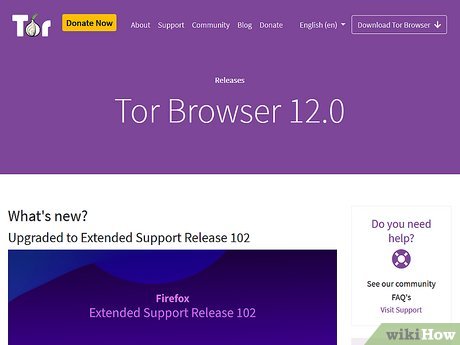
- Accessibility: The deep web can often be accessed with the right credentials, while the dark web generally requires special software such as Tor.
- Content Type: The deep web is primarily legal and benign; the dark web is synonymous with illegal and sometimes dangerous content.
- Size: The deep web is exponentially larger than the surface web, whereas the dark web is a fraction of the deep web.
Frequently Asked Questions
Q: Is the deep web safe?
A: Generally, yes. Most of the deep web comprises legitimate content that requires credentials to access.
Q: Is the dark web illegal?
A: Accessing the dark web is not illegal; however, many activities that occur there can be illegal.
Q: Can I access the deep web easily?
A: Yes, as long as you have the necessary permissions or accounts to access the specific websites or databases.
Q: What do I need to access the dark web?
A: You will need special tools like the Tor browser to access sites on the dark web securely.
In conclusion, the dark web and deep web are significant parts of the internet, each with their unique characteristics, purposes, and levels of accessibility. Recognizing the differences can help users make informed decisions while navigating online. Whether seeking academic resources or understanding the dangers lurking in the dark web, knowledge is key.